
The beard holds a special significance in Islam, both as a symbol of religious adherence and as an element of masculine beauty. For Muslim men, growing a beard is not only a Sunnah (practice of Prophet Muhammad, peace be upon him) but also a reflection of piety, dignity, and respect. This article explores the importance of the beard in Islam, its connection to face beauty, and practical tips for maintaining it.
1. Beard as a Sunnah in Islam
The Prophet Muhammad (peace be upon him) instructed Muslim men to grow their beards and trim their mustaches. This practice differentiates Muslims and emphasizes following the teachings of Islam. Scholars consider growing a beard as an act of obedience to the Sunnah, while trimming or shaping it is allowed within moderation. Maintaining a beard is often seen as a symbol of commitment to faith and a reminder of Islamic identity.
2. Spiritual and Moral Significance
Beyond physical appearance, the beard represents spiritual discipline and moral integrity. Muslim men are encouraged to grow their beard as a demonstration of humility, responsibility, and adherence to the Prophet’s guidance. It is not merely a personal preference but a conscious act that reflects devotion to Islamic principles. A well-kept beard signals respect for oneself and for others, aligning with the broader teachings of good character in Islam.
3. Beard and Facial Beauty
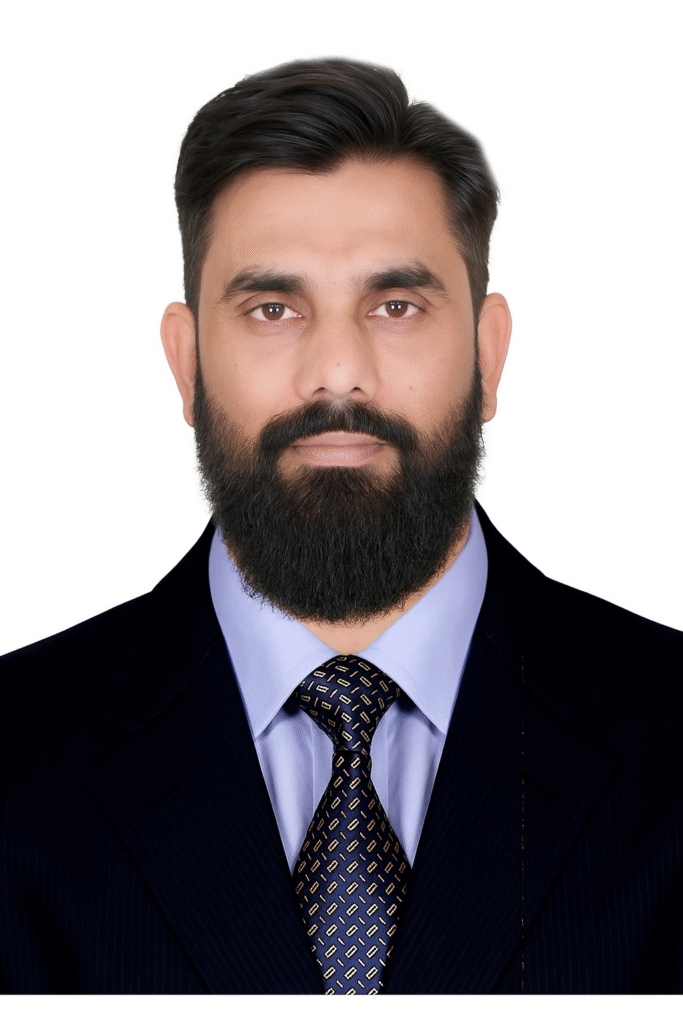
A beard can enhance face beauty by defining the jawline, adding structure, and balancing facial features. Different beard styles suit different face shapes, allowing men to choose a style that complements their natural appearance while adhering to Islamic guidelines. Regular grooming and care, such as washing, trimming, and applying natural oils, help maintain a neat and attractive beard. A well-groomed beard not only enhances physical beauty but also portrays confidence and self-respect.
4. Health and Hygiene Considerations
Islam encourages cleanliness and hygiene, which extends to beard care. Washing the beard regularly, combing it to avoid tangles, and keeping the skin beneath moisturized are essential practices. These habits prevent infections, maintain hair health, and contribute to an overall well-groomed appearance. In this way, following Islamic teachings about the beard also aligns with modern principles of personal care.
5. Social and Cultural Perception
In many Muslim communities, a beard is a mark of maturity and wisdom. It often earns respect and recognition in social, professional, and religious settings. At the same time, the beard promotes modesty and discourages excessive focus on superficial appearance, emphasizing inner character and spiritual beauty.
Conclusion
The beard in Islam is much more than a facial feature; it is a symbol of faith, dignity, and discipline. Growing and maintaining a beard not only fulfills a Sunnah but also enhances face beauty when cared for properly. For Muslim men, it serves as a reminder of spiritual commitment while contributing to a confident and respectable appearance. Combining faith, grooming, and self-respect, the beard remains a timeless element of Islamic identity and masculine beauty.